How our Practical Life Skills Project makes a difference
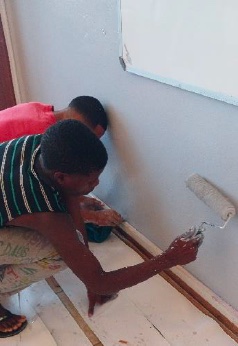
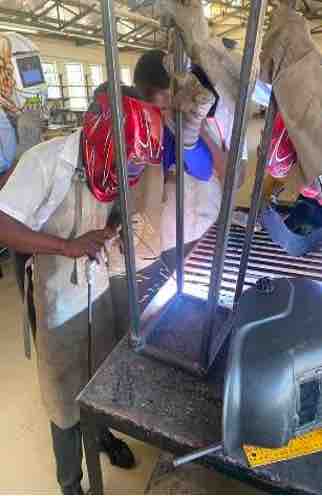
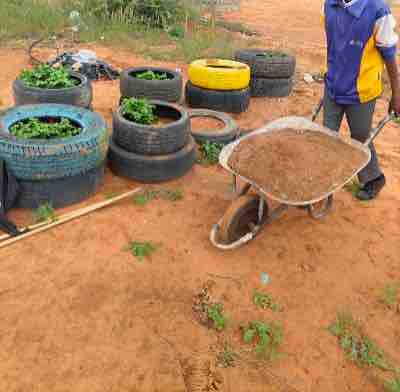
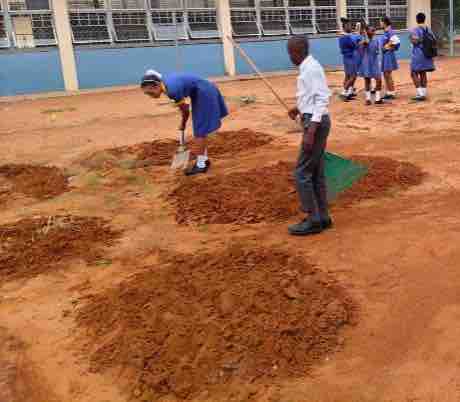
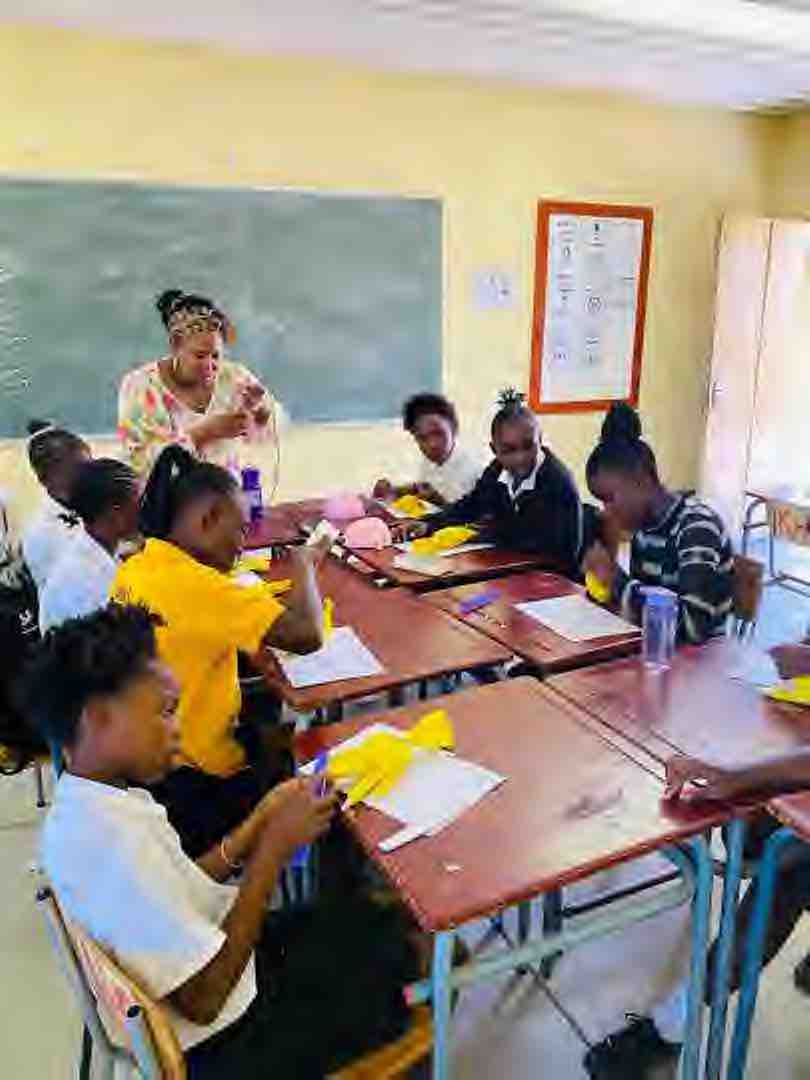
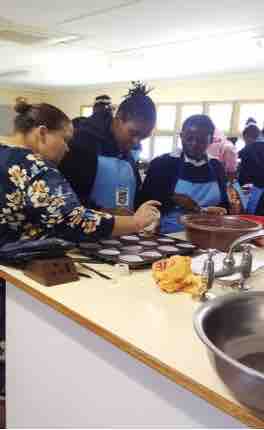
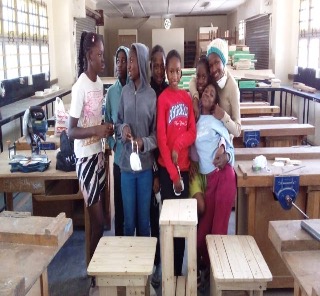
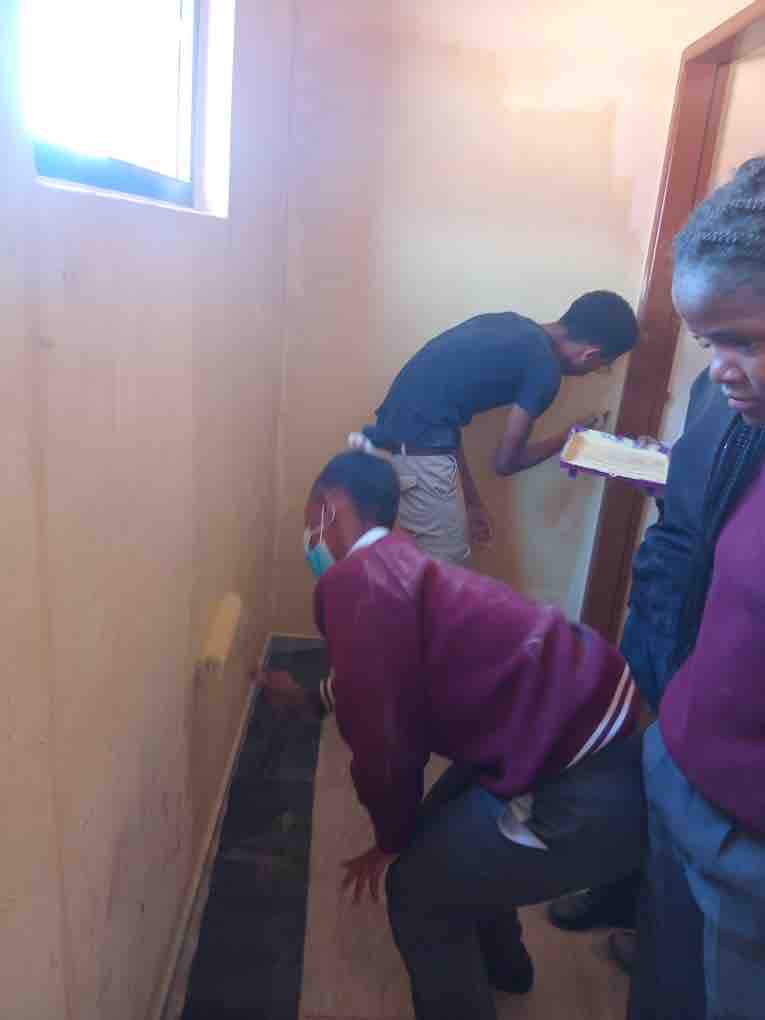
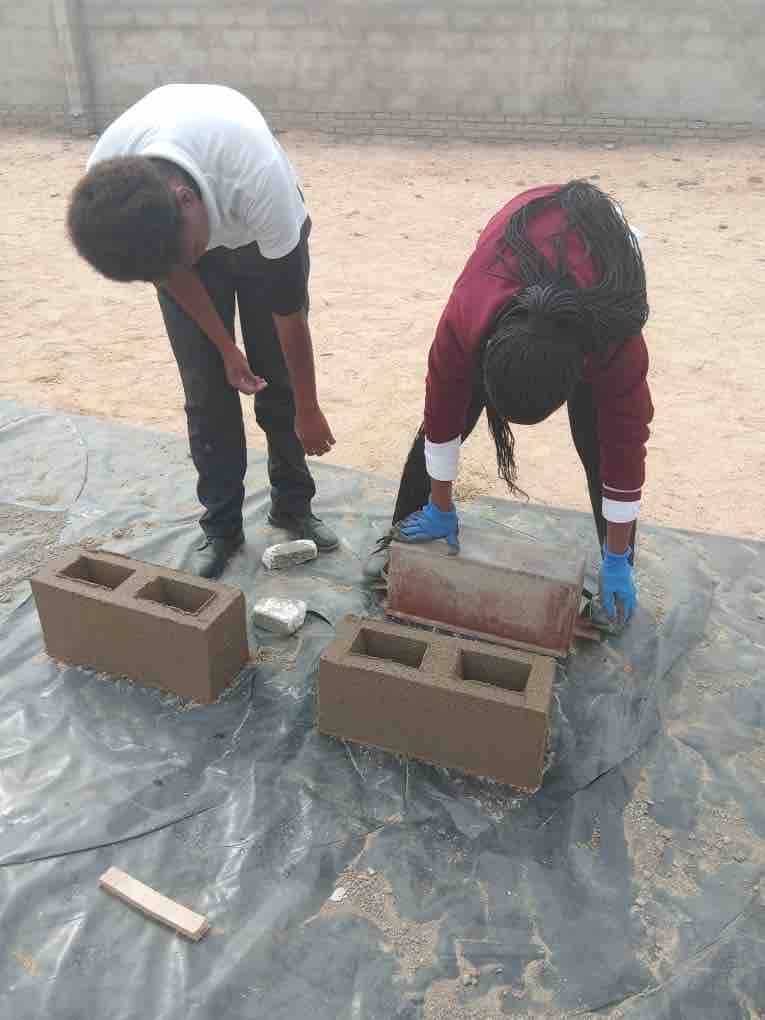
Our project responds by turning limitation into possibility. Through hands-on skills training, learners gain practical, often income-generating skills that prepare them for life beyond school.
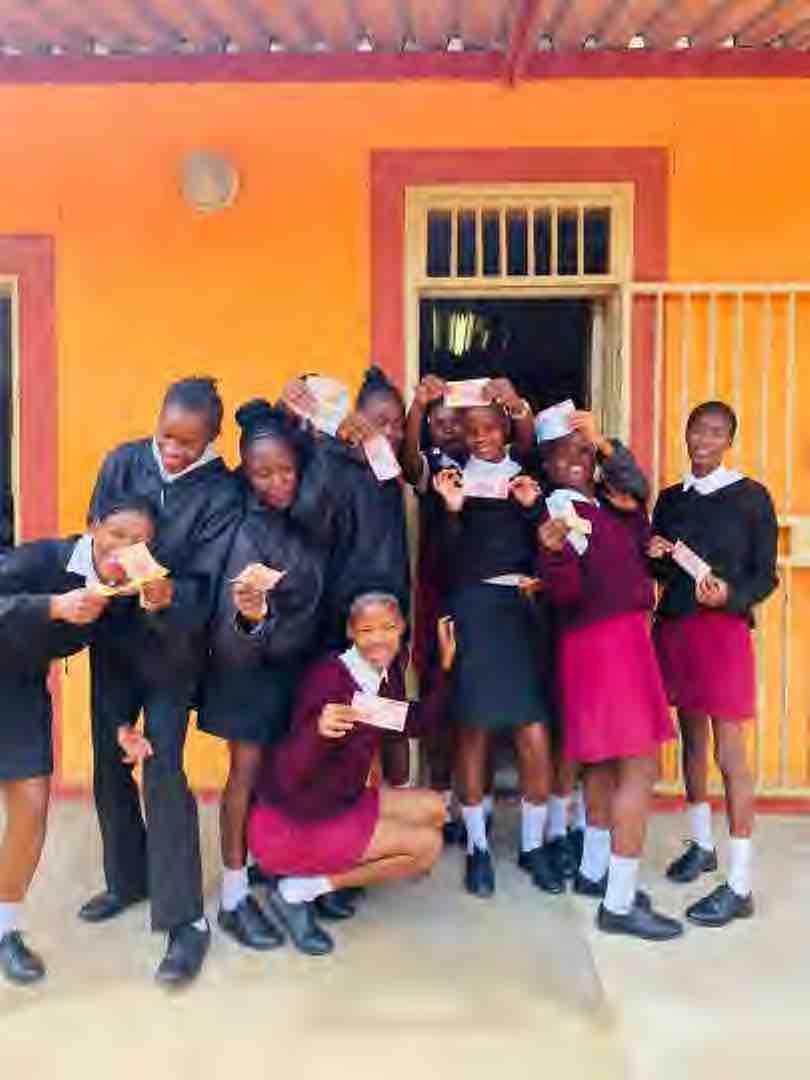
In communities where formal employment is scarce, we aim for these skills to create pathways to self-reliance, entrepreneurship, and local economic activity. We actively source local experts and artisans to share their knowledge and experience. This strengthens community ownership, preserves valuable local skills, and provides learners with visible, relatable role models.
Our work is not only about addressing present challenges. It is about preventing future poverty — by equipping young people with the confidence, competence, and capacity to build their own sustainable futures within their communities. .
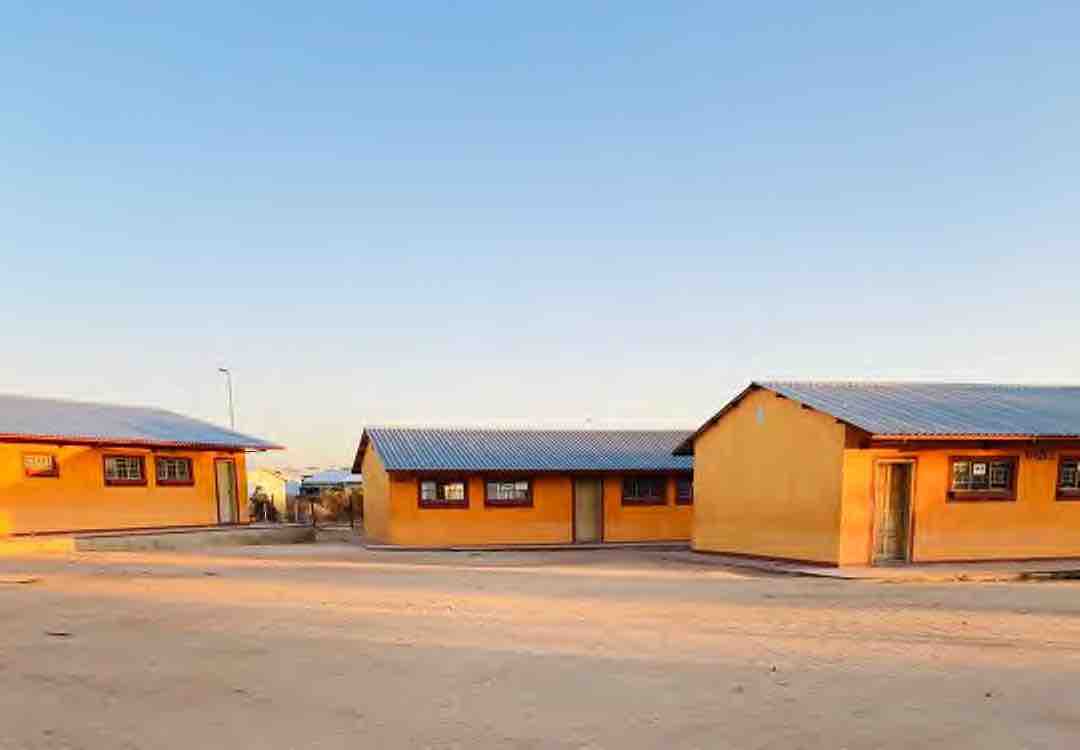
Project schools 2026

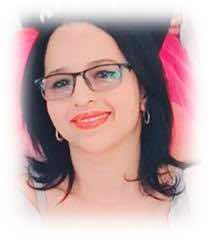
The Project Coordinator
The SMART Objective for 2026
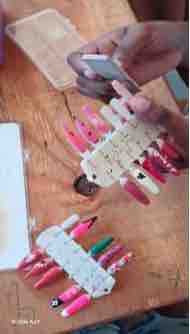
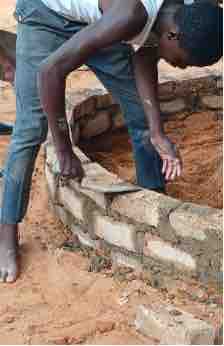



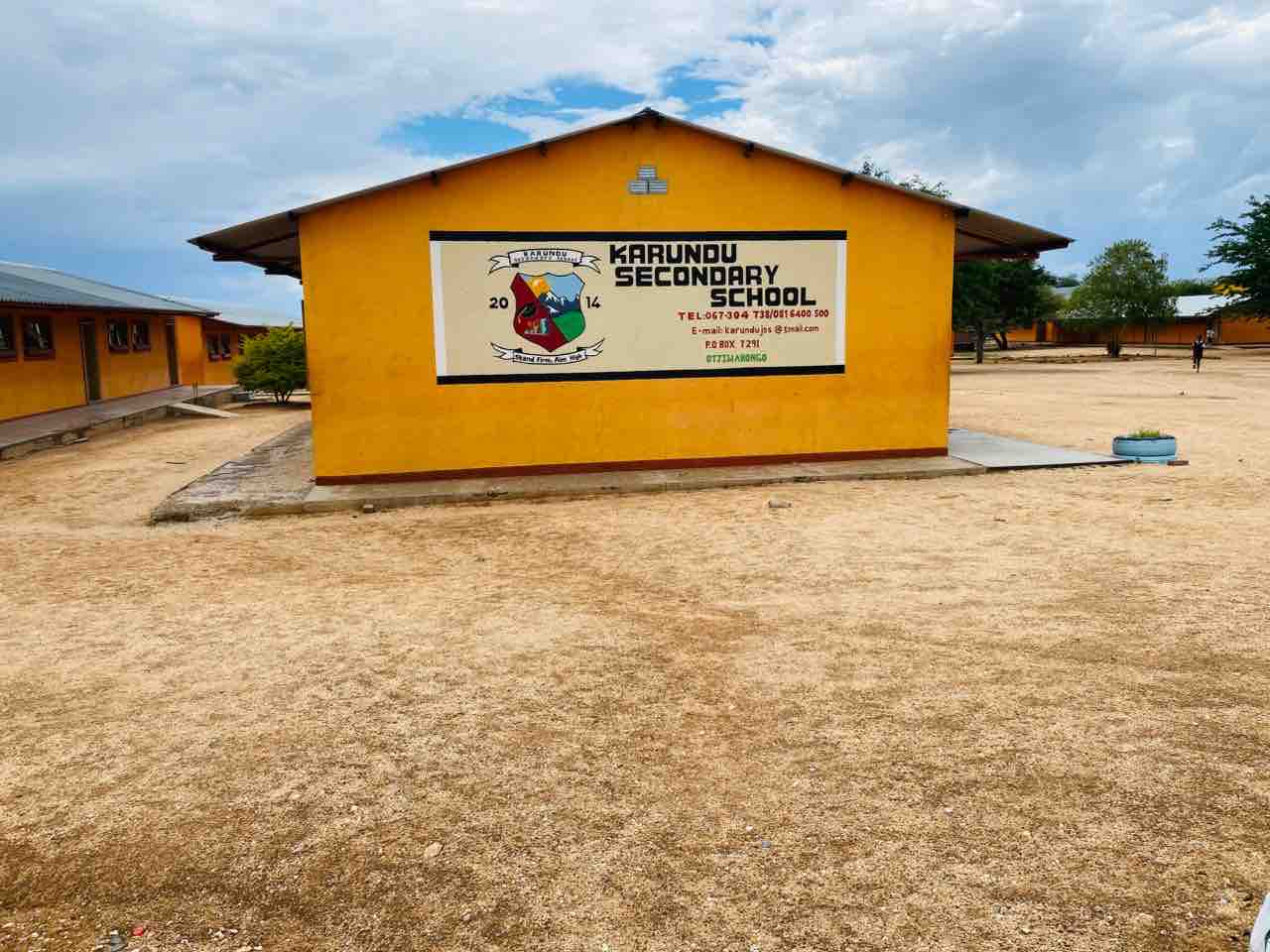
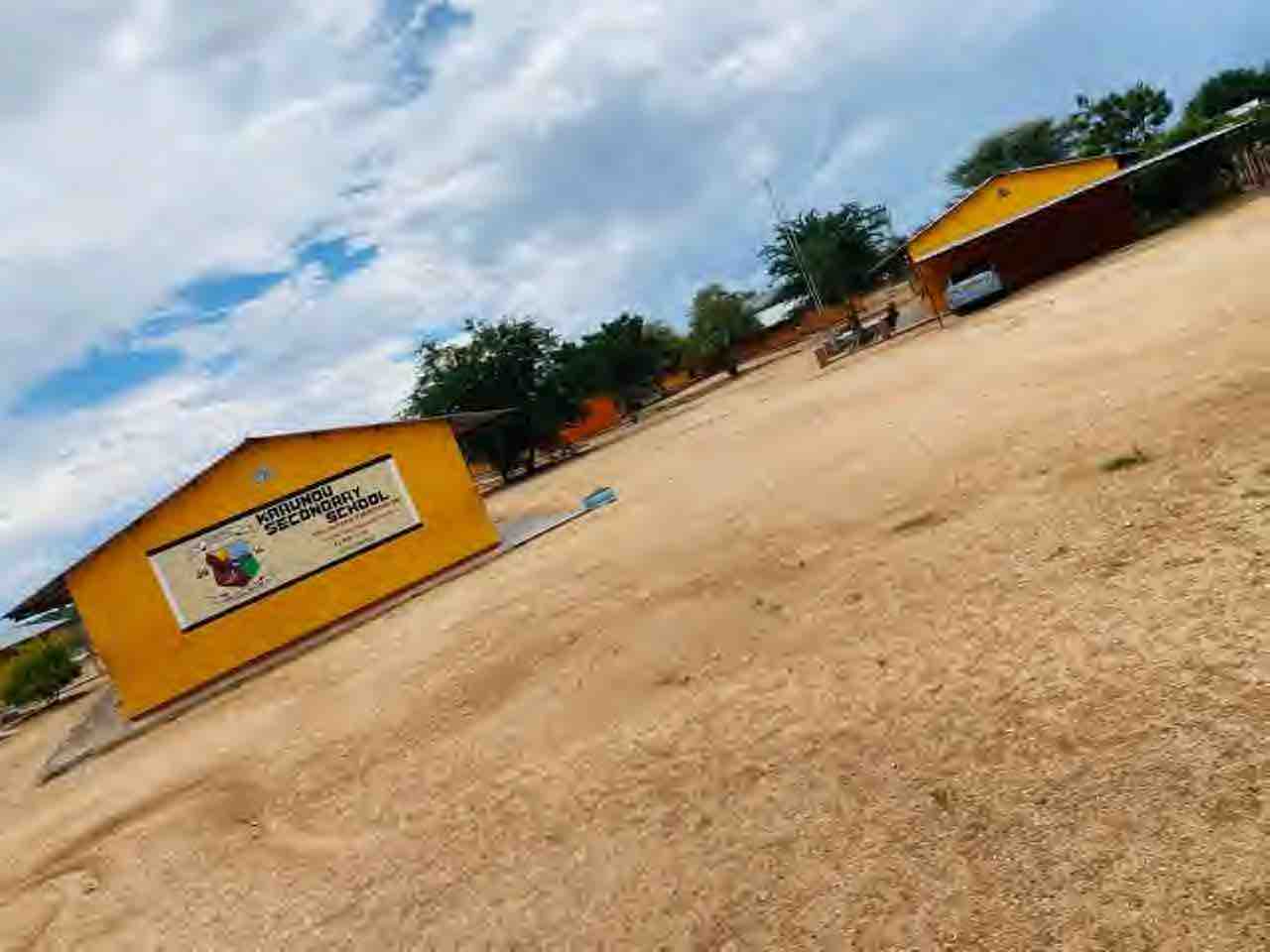
The Project Coordinator
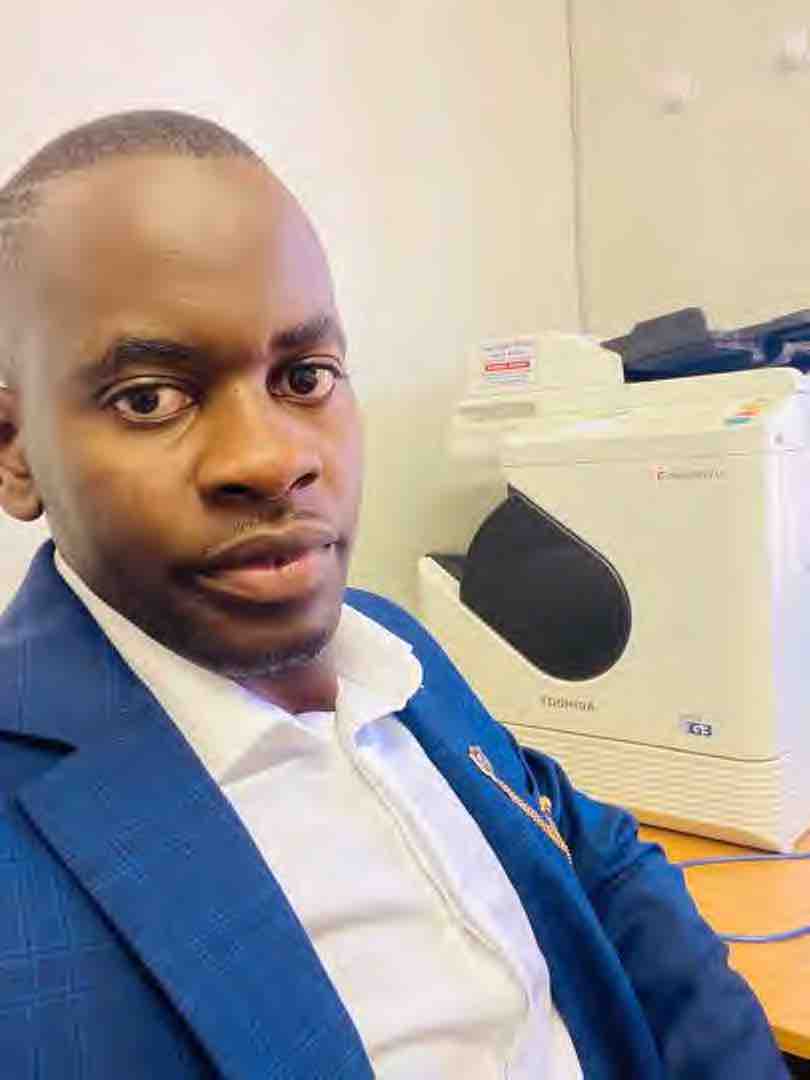
It gave me an opportunity to apply hands-on skills and better understand real life concept. The project challenged me to be creative, focused, and detail oriented while working towards a clear outcome.
The SMART Objective for 2026


The Project Coordinator
The SMART Objective for 2026
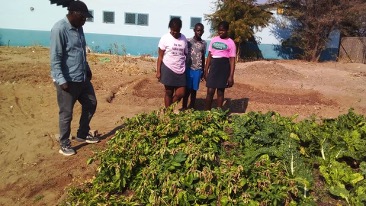
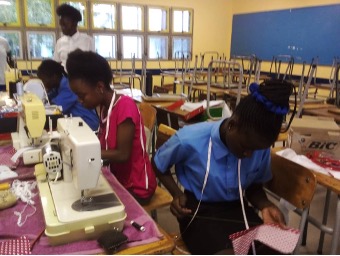
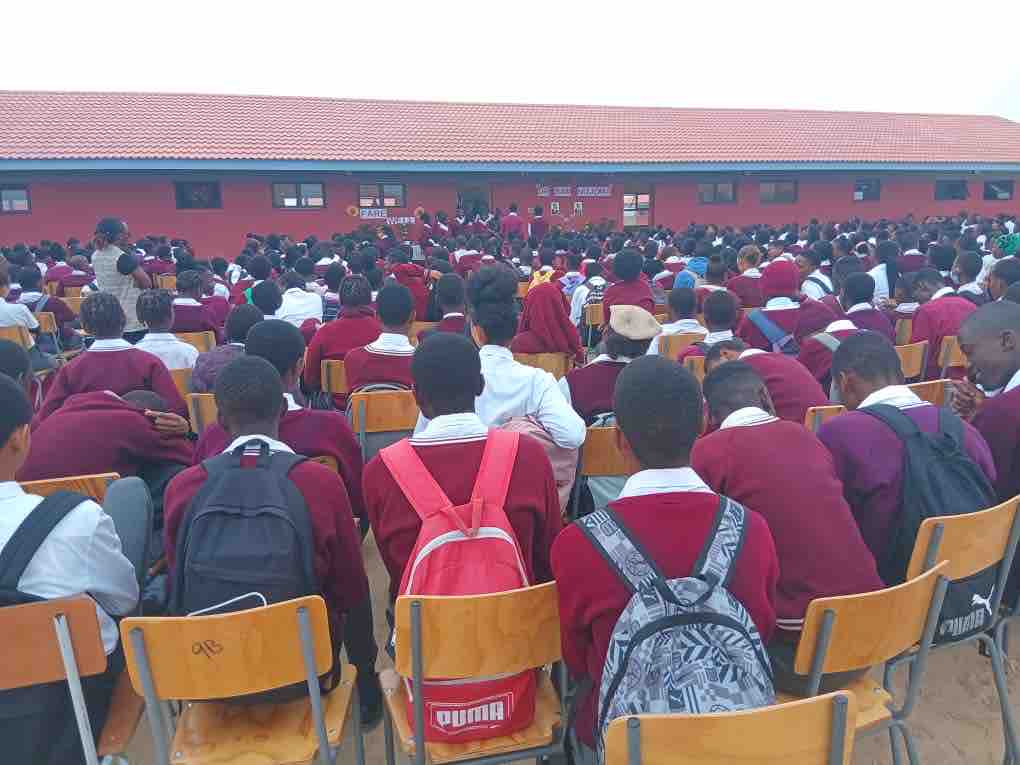
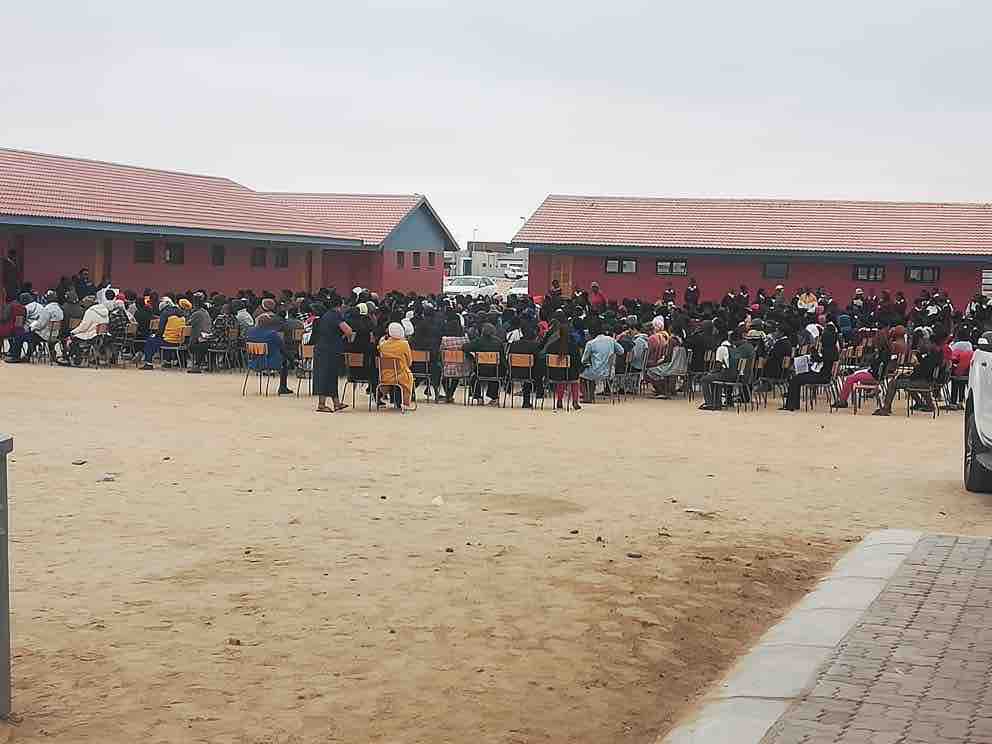
Okahandja Senior Secondary would like to equip 800 learners with a variety of Practical Life skills, including income generating skill by recruiting 7 facilitators (either teachers and / or community members) who will deliver these courses each with 8 sessions spread over 9 cycles.
Ensuring that learners, acquire the theoretical and practical knowledge of each skill to enhance entrepreneurship potential and employability.

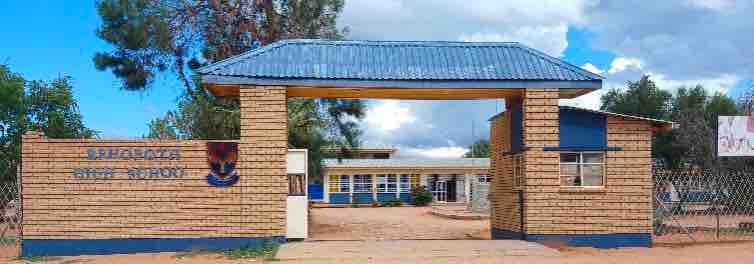
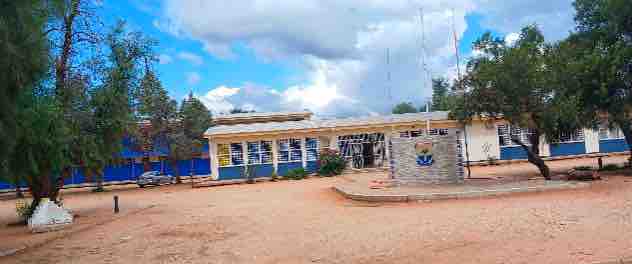
As time went by, we were joined by Mr Samunlandela, Ms Nahole, Ms Shikongo and others. Mr Taanyanda the school principal joined the school on one February 2023 . Presently. the school has 32 teachers
The Project Coordinator
The SMART Objective for 2026
The Project Coordinator
The SMART Objective for 2026
Additionally, I aim to ensure that at least 70% of learners demonstrate competency in the selected vocational skills through practical assessments conducted at the end of each cycle. I will achieve this by coordinating resources, supporting facilitators, and creating a safe and engaging learning environment. Progress will be reviewed after each cycle to identify improvements and ensure continuous development and impact the project.

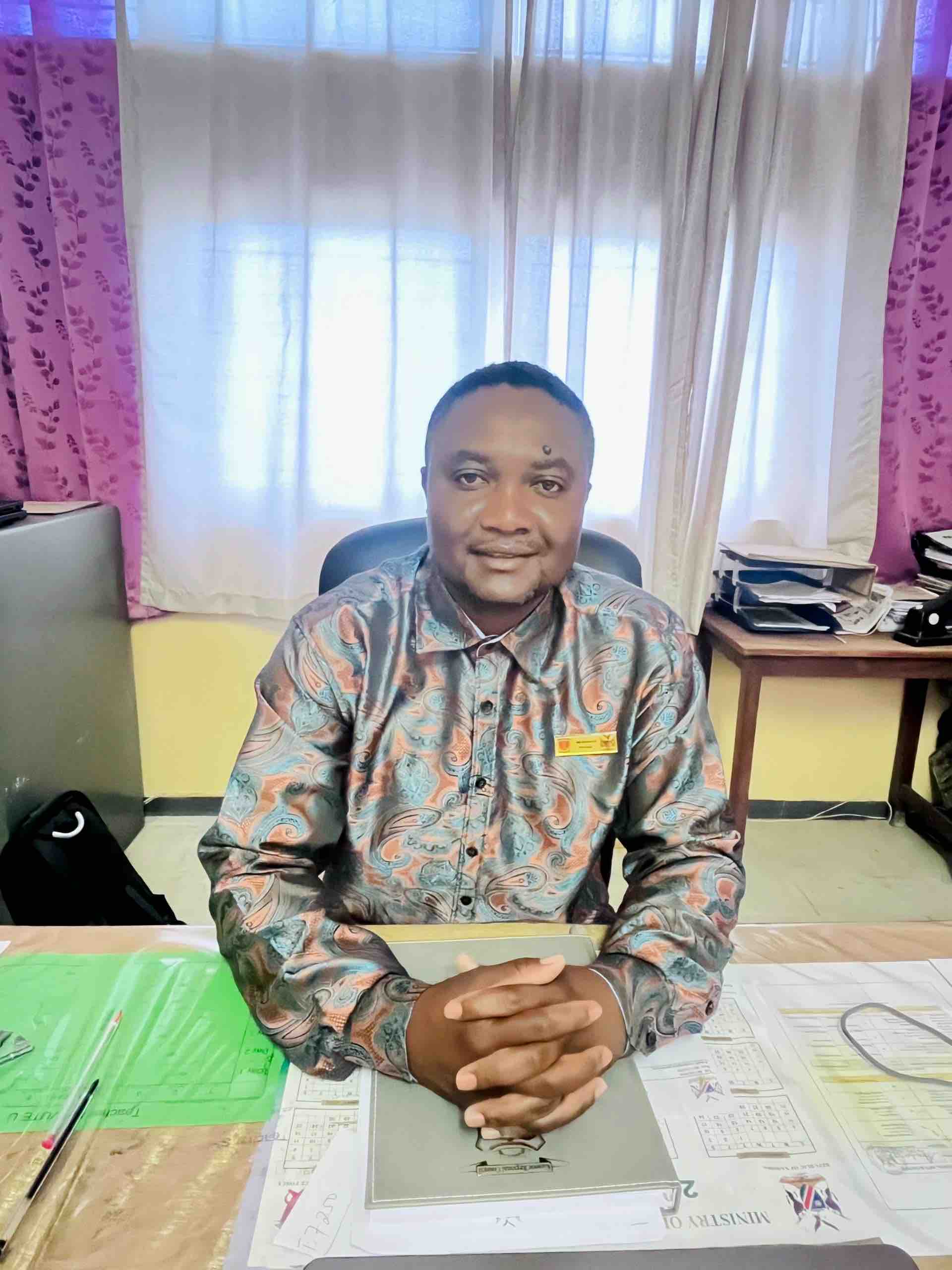
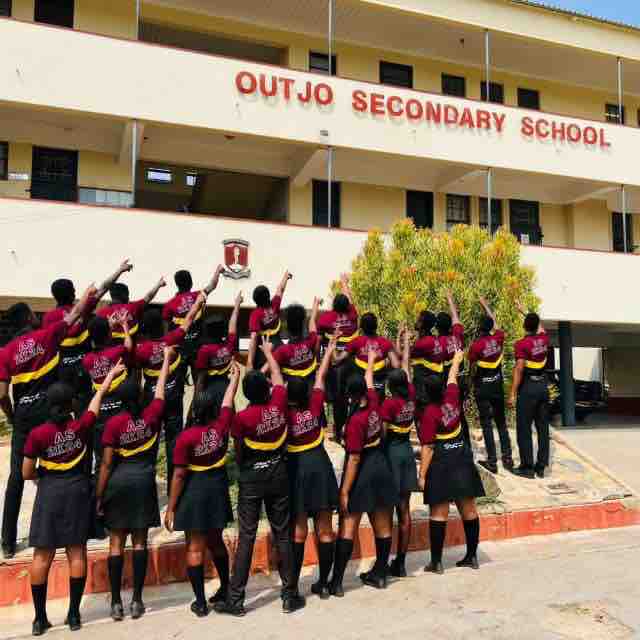
The Project Coordinator

The SMART Objective for 2026
The Project Coordinator
The SMART Objective for 2026
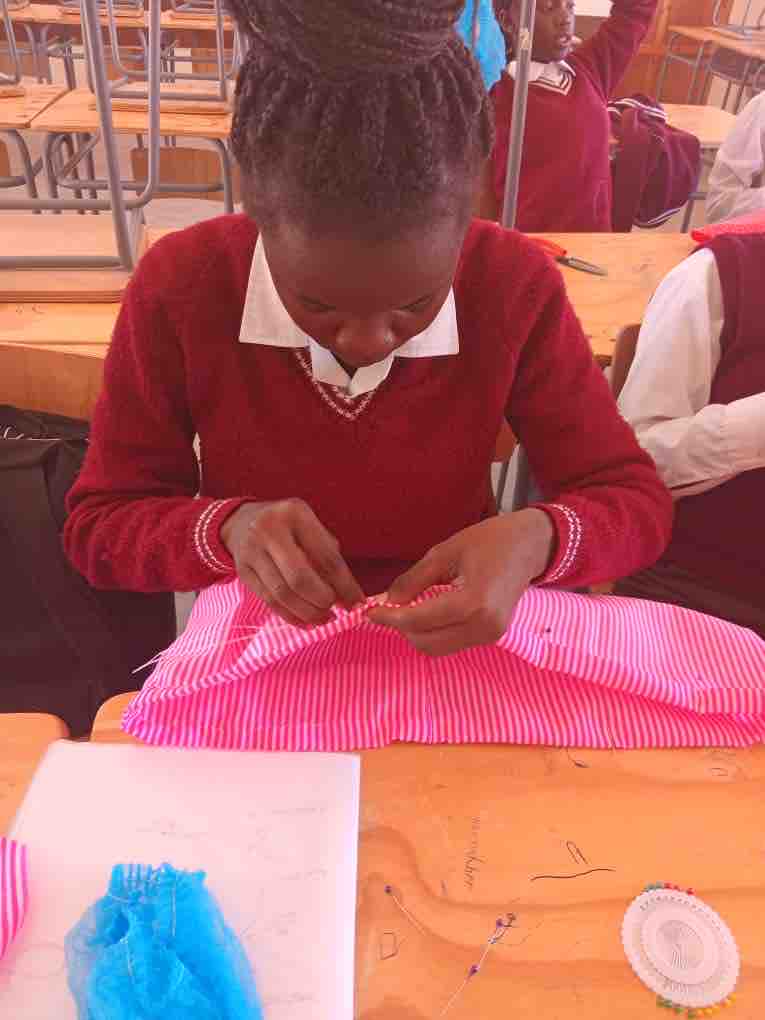
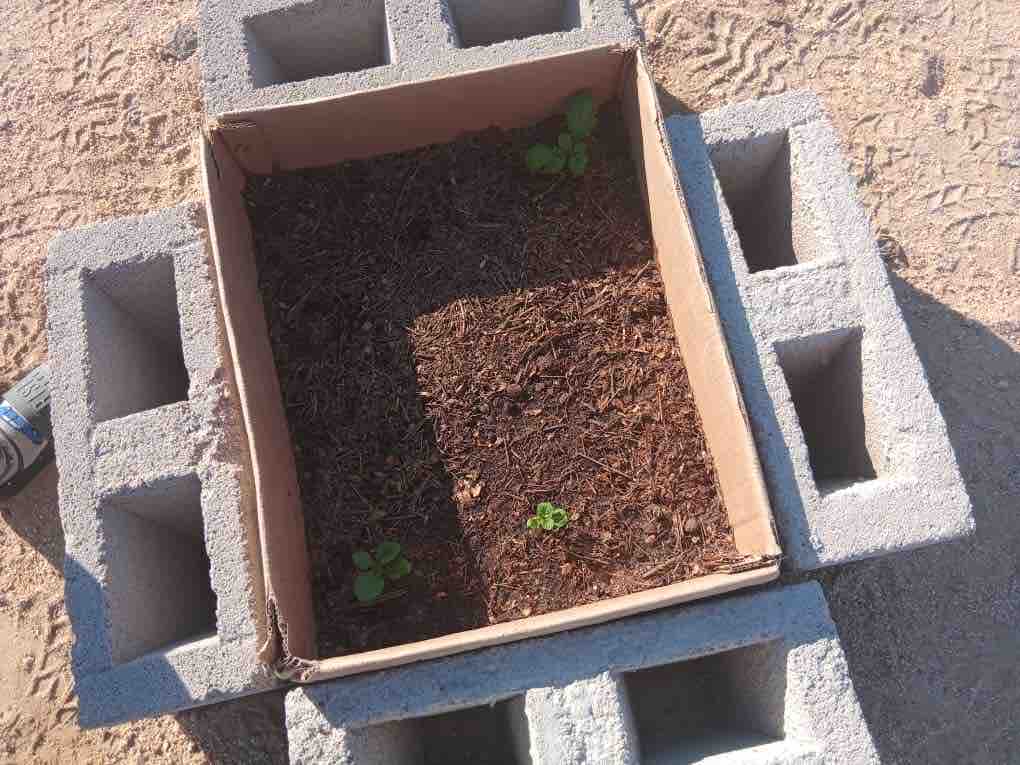
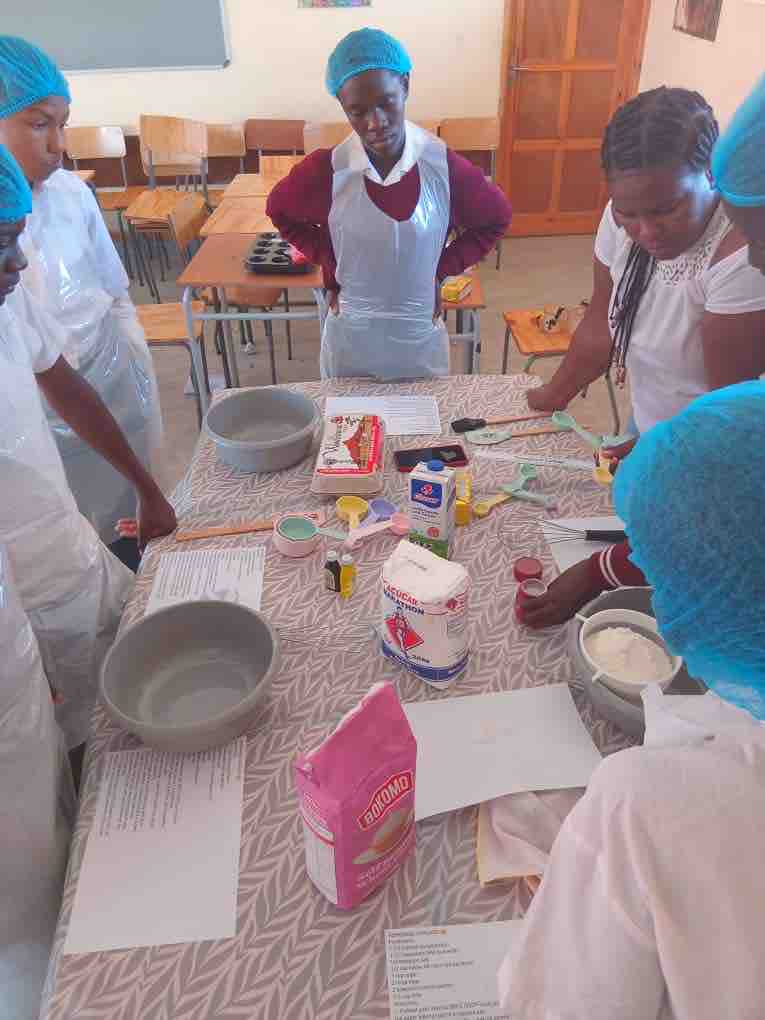
Each learner must achieve at least 80% proficiency rate in practical assessments - designed to increase self-sufficiency and employability within the local community.
The Project Coordinator
The SMART Objective for 2026